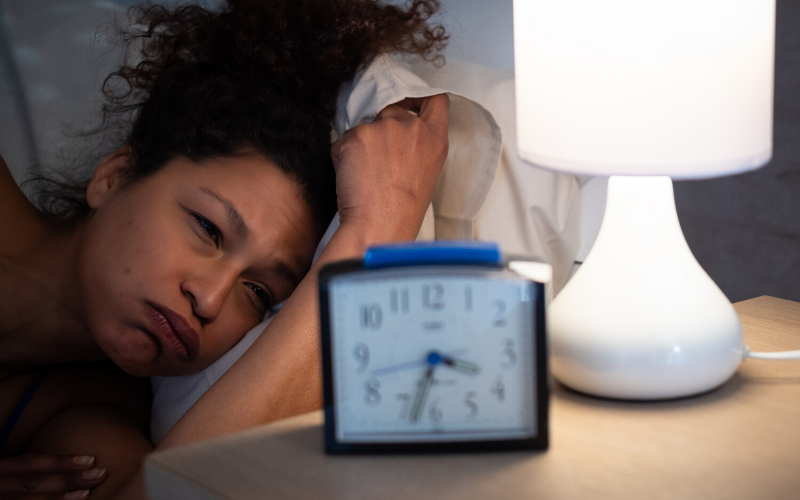
Though the reasons why are not entirely clear, it is undeniable that the amount and quality of sleep you get has a significant effect on your heart health. At Manhattan Cardiology, we frequently treat patients for sleep-related cardiovascular issues, and cannot overemphasize the pivotal importance of getting optimal sleep – 7 to 8 hours each night.
Which heart issues are affected by sleep?
La investigación ha descubierto que dormir muy poco puede causar alteraciones dañinas en procesos corporales necesarios como la metabolización de la glucosa, la regulación de la presión arterial y la reducción de la inflamación, los cuales pueden contribuir a la presión arterial alta crónica, la diabetes tipo 2, la obesidad y la formación de placa en el torrente sanguíneo.
If you are an adult who gets less than seven hours of sleep each night, you are at a higher risk of heart attack and stroke, in addition to corollary issues such as asthma and depression.
One in three adults in the United States has high blood pressure, which is a particularly common issue for people who do not get enough sleep. Since blood pressure drops during normal sleep, not getting enough shuteye causes your blood pressure to remain at a higher level for a longer period of time.
Diabetes is another common condition that affects more than 100 million Americans. Research has indicated that healthy sleep may help your body regulate its level of blood sugar, mitigating the effects of diabetes and reducing the risk of damage to your blood vessels.
Lack of sleep may also contribute to unhealthy weight gain, resulting in obesity and the many potential health problems by which it is accompanied. This is partially due to the way that lack of sleep affects your brain’s hunger impulses, causing a spike in appetite, especially for junk foods high in sugar and sodium. This is even more important for children and teens, who require more sleep than adults.
Sleep Apnea and Heart Health
Sleep apnea, a condition in which your airway gets blocked repeatedly during sleep causing you to stop breathing for short amounts of time, is associated with atrial fibrillation. Atrial fibrillation is a dangerous heart rhythm that, if untreated, can lead to a stroke. It is estimated that half of the patients with sleep apnea also have atrial fibrillation. Sleep apnea can also be caused by certain health problems, such as obesity and heart failure.
Sleep apnea affects how much oxygen your body gets while you sleep and increases the risk for many health problems, including high blood pressure, heart attack, abnormal heart rhythms, and stroke. It is more common among black, Hispanic, and Native Americans than among white people.
Treatment for Sleep Apnea
If the patient has moderate to severe apnea, the apnea needs to be treated with a dental appliance or a CPAP machine. For patients with moderate to severe apnea, we usually refer them to a sleep specialist. For patients with mild sleep apnea, we place them on an optimal lifestyle, often working with our in-house nutritionist, to help them lose weight. Once a sufficient amount of weight loss has been achieved, usually about 10- 20lbs, we retest them to see if the apnea has improved.
For any patient diagnosed with moderate to severe apnea, we also screen them for atrial fibrillation. We do this by placing a heart monitor on them, a machine that tracks the rhythm of your heart for 4 days.
Are there any other conditions that may negatively affect sleep?
El insomnio es la dificultad para conciliar el sueño, mantenerse dormido o ambas cosas. Hasta 1 de cada 2 adultos experimenta insomnio a corto plazo en algún momento, y 1 de cada 10 puede tener insomnio de larga duración. El insomnio está vinculado a la presión arterial alta y a las cardiopatías. Con el tiempo, un sueño deficiente también puede dar lugar a hábitos poco saludables que pueden perjudicar su corazón, incluidos niveles de estrés más altos, menor motivación para realizar actividad física y elecciones de alimentos poco saludables.
What steps can be taken to get better sleep?
Para la mayoría de los pacientes, es posible dormir mejor con una dieta y un estilo de vida más saludables. Algunas medidas que pueden resultar útiles son:
- Mantener un horario de sueño regular. Puede ser tentador dormir hasta tarde los fines de semana, pero es más probable que duermas bien de forma regular si te acuestas y te levantas a la misma hora todos los días.
- Try to avoid artificial light at night and don’t bring your phone to bed with you – the light from the screen suppresses melatonin production and your mind is likely to continue racing for a while after you’ve stopped scrolling social media
- Recibir suficiente luz natural, especialmente poco después de despertarse. Dar un paseo todas las mañanas puede marcar una gran diferencia
- Hacer suficiente ejercicio, pero no justo antes de acostarse. La actividad física intensa un par de horas antes de ir a la cama puede elevar la frecuencia cardíaca y dificultar conciliar el sueño
- Evita comer y beber un par de horas antes de acostarte, especialmente alcohol y alimentos con alto contenido de azúcar
- Sleep in an environment that is cool, dark, and quiet but preferably not absolutely silent – some white noise can be helpful
- Consulte con un médico cualquier otro problema de salud que pueda estar afectando su sueño para ayudarle a encontrar la mejor solución
Sleepless nights are a health issue
Not getting enough sleep isn’t just important to your heart health. If you’re not getting the quality rest you need every night, it could be taking a toll on your mental health as well. From your mood to your physical performance to your overall health, you’re not at your best when you’re not sleeping well. If you struggle with sleep apnea, insomnia, or any other sleep issues, you should contact a doctor to explore your treatment options.