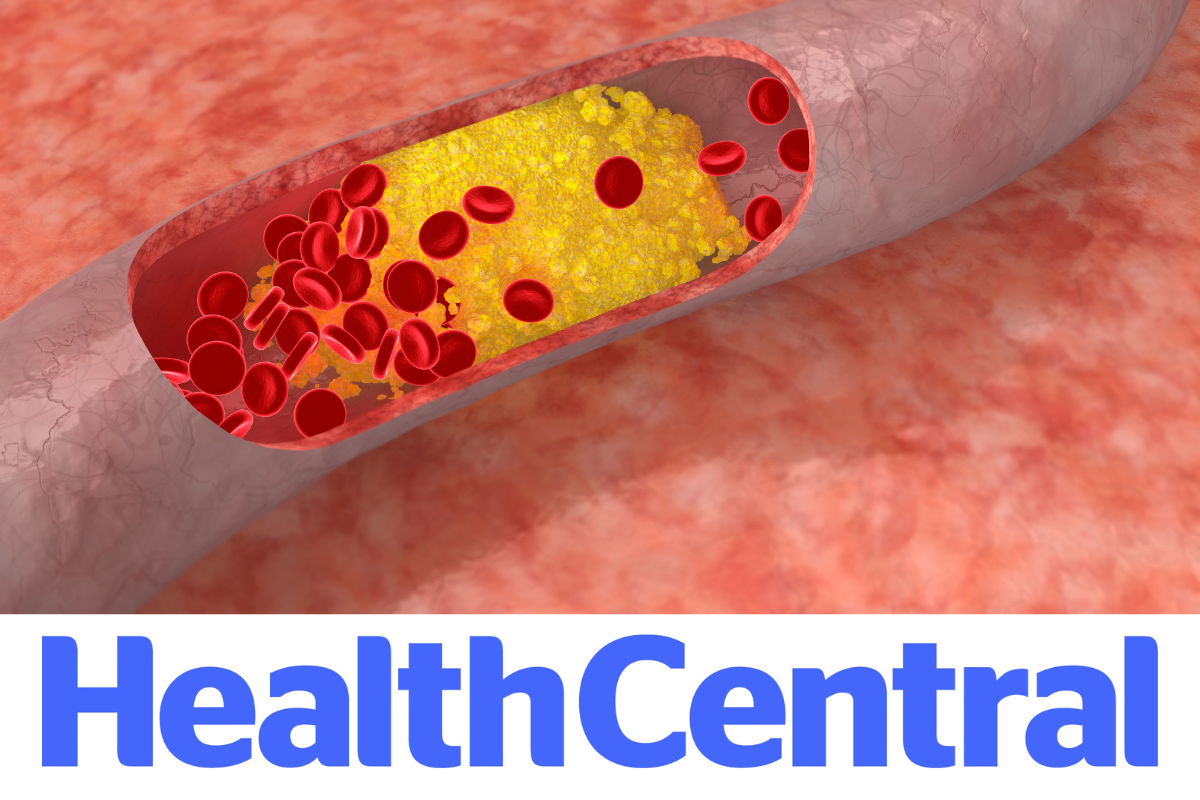
High LDL cholesterol contributes to plaque buildup in the arteries over time, a process known as atherosclerosis, which can gradually restrict blood flow and increase the risk of serious cardiovascular events like heart attack, stroke, and peripheral artery disease. Because this process develops silently over many years, understanding how LDL affects the arteries is key to recognizing and preventing long-term heart damage.
According to Dr. Natalia Beridze, a cardiologist with Manhattan Cardiology in New York City, “Plaque formation begins with LDL cholesterol particle accumulation, and progresses into fatty, soft plaques first. That can harden into hard plaque over time, leading to reduced blood flow.” She explains that as plaque builds, arteries narrow and blood flow becomes restricted, increasing cardiovascular risk even before symptoms appear. Read the full article here.
Would you like to schedule an appointment with Dr. Beridze?