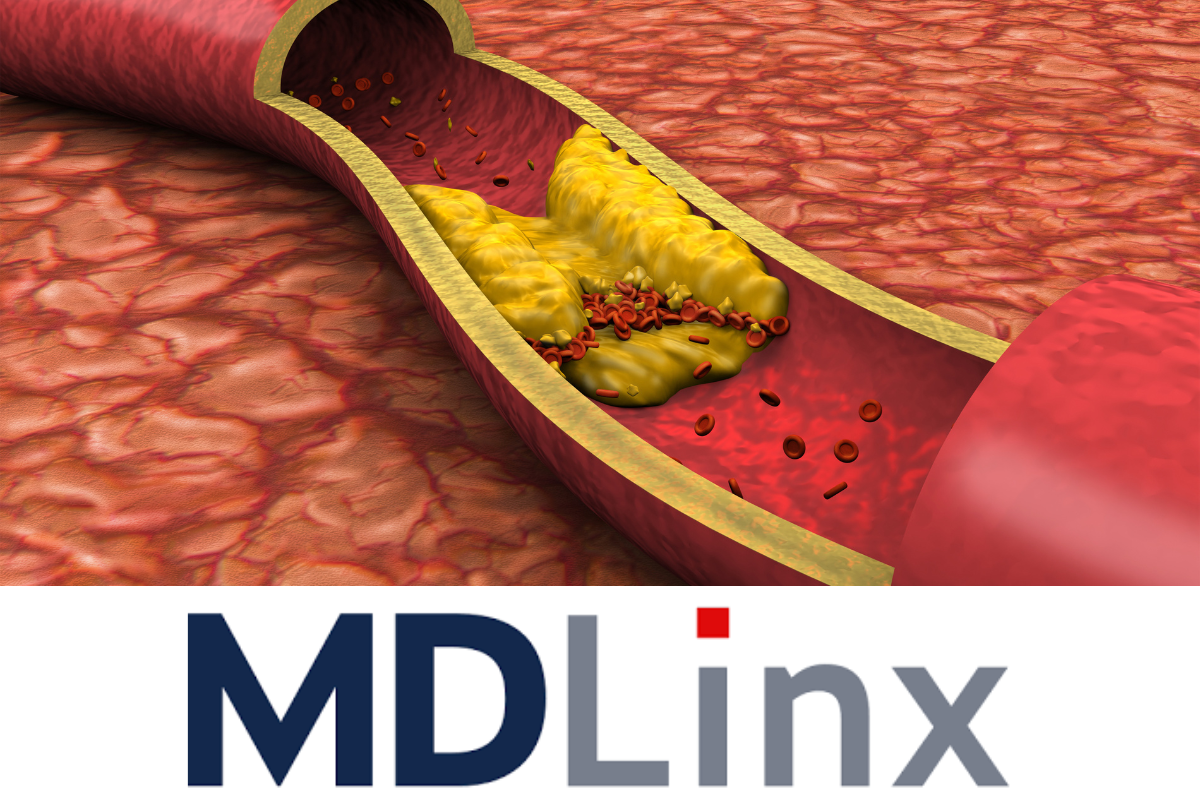
Managing extremely high LDL-C levels linked to genetic dyslipidemias often requires more than lifestyle changes alone. These inherited lipid disorders, such as familial hypercholesterolemia, can lead to dangerously elevated LDL cholesterol from a young age, significantly increasing the risk of premature atherosclerotic cardiovascular disease. Because standard diet and exercise interventions are often not enough, treatment typically involves layered lipid-lowering therapies and, in some cases, advanced targeted medications.
According to Olivia Hollyer, PA, “Extreme LDL-C above 190 mg/dL in a young patient with family history warrants genetic workup, not lifestyle counseling alone.” Hollyer emphasizes that early identification of genetic lipid disorders is critical, as many patients remain undiagnosed until after cardiovascular events occur. She notes that combining clinical evaluation with newer therapies and cascade screening of family members can significantly improve long-term outcomes in patients with inherited dyslipidemias. Read the full article here.
Would you like to schedule an appointment with Olivia Hollyer, PA?