Cholesterol levels can begin to change within weeks of adopting lifestyle modifications such as improved diet and regular exercise, though meaningful and sustained reductions in LDL cholesterol typically take several weeks to months depending on consistency and individual response. While early physiological improvements may occur quickly, lab-measured changes often lag behind behavioral changes. According to […]
An afternoon walk can be a simple but powerful habit for women over 50, supporting heart health, blood sugar control, energy levels, and bone strength while helping counteract menopause-related changes. Experts note that even short daily walks can meaningfully improve long-term health when done consistently. According to Dr. Randy Gould, women over 50 should aim […]
A popular breakfast staple, sugary breakfast cereal, may contribute to clogged arteries when eaten regularly, according to cardiologists. Experts explain that its high levels of simple carbohydrates and added sugars can trigger blood sugar spikes, inflammation, and long-term damage to blood vessels, increasing cardiovascular risk over time. According to Dr. Mary Greene, a cardiologist with […]
Estradiol (E2) is a key form of estrogen that naturally fluctuates throughout life, with levels changing across puberty, reproductive years, perimenopause, and menopause. It plays an essential role in bone health, cardiovascular function, reproductive health, and overall hormonal balance, making proper interpretation of lab values important in clinical context rather than in isolation. According to […]
New cholesterol guidelines from the American Heart Association (AHA) and American College of Cardiology (ACC) emphasize earlier screening, lower LDL targets, and lifelong prevention of cardiovascular disease. The updated recommendations reflect a shift toward treating elevated lipids sooner and more consistently to reduce long-term heart attack and stroke risk. According to Dr. Karishma Patwa, a […]
Chronic pain is more than a persistent physical symptom, it can have wide-reaching effects on overall health, including cardiovascular function. Research increasingly suggests that long-term pain may contribute to stress responses in the body that can elevate blood pressure, disrupt sleep, and increase inflammation, all of which are known risk factors for heart disease. According […]
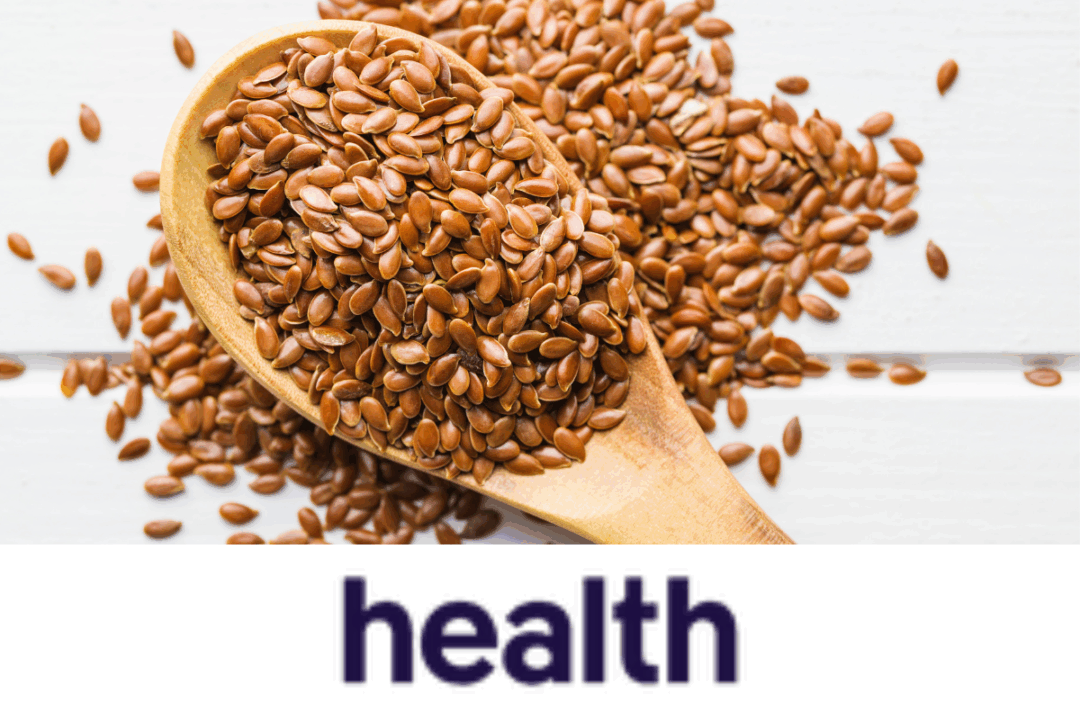
Flaxseeds are widely recognized for their heart-healthy nutrients, including fiber, omega-3 fatty acids, and lignans, which may help reduce blood pressure when consumed regularly. While research suggests modest improvements in both systolic and diastolic blood pressure, flaxseeds are best used as part of an overall heart-healthy lifestyle rather than a standalone treatment for hypertension. According […]
Restaurant meals are often already high in sodium, and one common habit, adding extra salt at the table, can push intake even higher. Cardiologists warn that this can raise blood pressure and contribute to inflammation and long-term damage to the arteries, increasing cardiovascular risk over time. According to Dr. Karishma Patwa, “High sodium diets can […]
Deep-frying may make foods taste indulgent, but cardiologists warn it could be more harmful to your arteries than butter. This cooking method can produce oxidized LDL particles and other compounds that contribute to plaque buildup over time, increasing the risk of atherosclerosis and cardiovascular disease. While moderation is still possible, experts emphasize that how food […]
Cardiologists say one of the simplest ways to protect artery health after 50 is surprisingly effective: regular walking. This low-impact habit helps improve circulation, reduce blood pressure, support healthy cholesterol levels, and strengthen the cardiovascular system over time. Experts emphasize that consistency matters more than intensity, making short daily walks an accessible tool for long-term […]