Download Our Free App
Manhattan Cardiology
News | Media How Bile Acid Sequestrants Impact Drug Absorption

Bile acid sequestrants are a type of cholesterol-lowering medication that work in the digestive tract to reduce LDL (“bad”) cholesterol, but they can also bind to other drugs and nutrients, potentially affecting how well they are absorbed. Because of this, timing and medication spacing are important considerations when taking them alongside other prescriptions or supplements. […]

...
Posted on January 30 2026
News | Media What Does Your Heartbeat Say About Your Health? Top Cardiologists Explain

Your heartbeat can offer important clues about how hard your heart is working and overall cardiovascular health, with resting heart rate serving as one of the simplest indicators to monitor. While a normal range is typically 60–100 beats per minute, cardiologists note that both unusually high or low readings—and changes from your personal baseline—may signal […]

...
Posted on January 26 2026
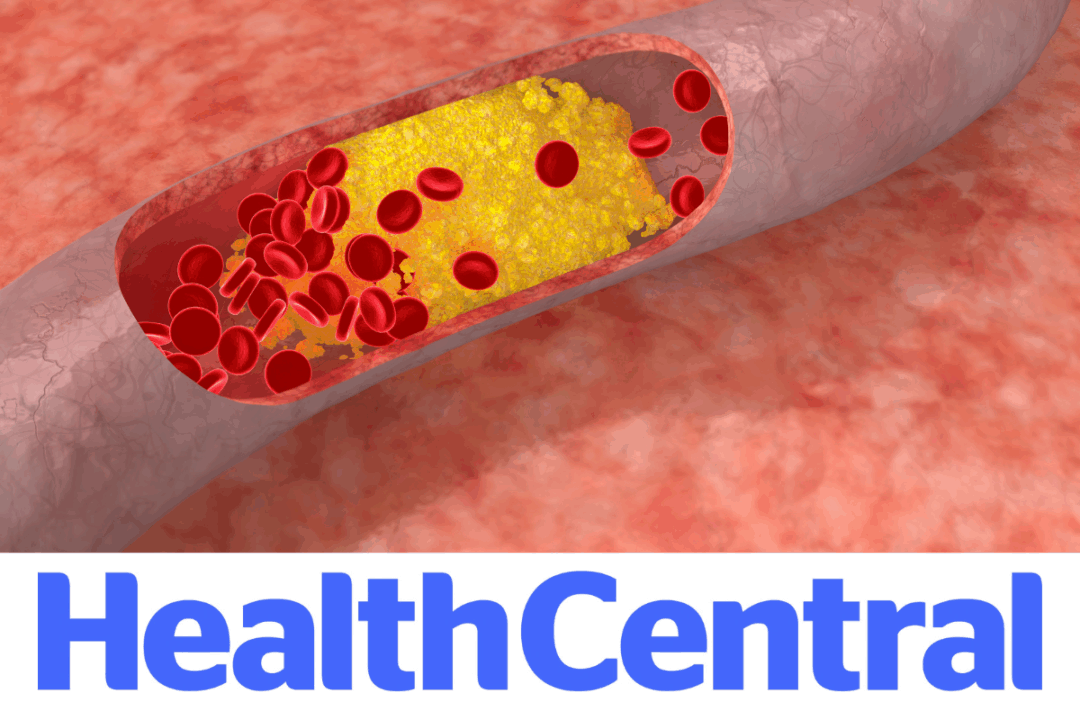
News | Media How High LDL Affects Your Heart: A Visual Guide

High LDL cholesterol contributes to plaque buildup in the arteries over time, a process known as atherosclerosis, which can gradually restrict blood flow and increase the risk of serious cardiovascular events like heart attack, stroke, and peripheral artery disease. Because this process develops silently over many years, understanding how LDL affects the arteries is key […]

...
Posted on January 26 2026
News | Media Anatomy of the Heart: A Visual Guide

Anatomy of the heart explains how its chambers, valves, blood vessels, and electrical system work together to circulate blood and sustain life. When any of these components are disrupted, it can lead to serious conditions such as heart disease, arrhythmias, and heart failure. Understanding how each part functions helps clarify how cardiovascular disease develops and […]

...
Posted on January 26 2026
News | Media Hypertrophic Cardiomyopathy (HCM), Coffee, and Caffeine: How Much Is Too Much?

Chronic conditions like hypertrophic cardiomyopathy (HCM) require careful attention to everyday habits, including caffeine intake. Because caffeine is a stimulant, it can increase heart rate and potentially worsen symptoms such as palpitations or irregular rhythms in people with HCM. While some individuals may tolerate small amounts, cardiologists generally emphasize moderation and individualized guidance based on […]

...
Posted on January 20 2026
Media | News ‘Grey’s Anatomy’ Highlights Rare Pregnancy-Related Heart Condition—What To Know

A recent Grey’s Anatomy storyline has brought attention to peripartum cardiomyopathy (PPCM), a rare but serious form of heart failure that can develop around the time of pregnancy or delivery. The condition can be difficult to recognize because its symptoms, like shortness of breath, fatigue, swelling, and palpitations, often overlap with normal late-pregnancy changes. However, […]

...
Posted on January 19 2026
News | Media Hope on the Horizon: Ongoing Research in ATTR-CM

Research into transthyretin amyloid cardiomyopathy (ATTR-CM) continues to advance, giving patients and providers new reasons for optimism. Emerging therapies are targeting the disease in innovative ways, from preventing harmful protein buildup to reducing the body’s production of transthyretin and even exploring the potential of gene editing. According to Dr. Mary Greene, amyloid-depleting antibodies currently in […]

...
Posted on December 22 2025
News | Media The Morning Habit That Can Spike Your Cholesterol Over Time

Skipping breakfast may seem harmless, but research suggests it can negatively affect cholesterol levels over time. Experts say regularly missing your morning meal may disrupt your body’s internal clock, increase cholesterol production, contribute to overeating later in the day, and reduce overall diet quality. According to Dr. Randy Gould, skipping breakfast can trigger metabolic changes […]

...
Posted on December 16 2025
News | Media The Popular Drink That Raises Blood Pressure Faster Than Salt

When managing high blood pressure, most people focus on reducing sodium intake. While salt plays an important role, cardiologists and dietitians warn that energy drinks may cause blood pressure to rise even faster due to their high caffeine content and other stimulant ingredients. According to Dr. Randy Gould, caffeine triggers the release of adrenaline, which […]

...
Posted on December 12 2025
News | Media Can You Swim With a Pacemaker?

If you have a pacemaker, it’s usually safe to swim, whether you’ve been swimming your whole life or simply want to start a new workout program. But there are several things you should think about, especially if you just got your pacemaker put in. Based on what that activity is, you should be able to […]

...
Posted on November 12 2025