Aisha Tyler’s experience with hypertension highlights how high blood pressure can develop silently and affect people even without obvious symptoms. Cardiologists emphasize that hypertension is a major but often overlooked risk factor for heart disease and stroke, especially when left unmanaged for years. The discussion reinforces the importance of routine screening, early intervention, and long-term […]
Rare lipid disorders are genetic conditions that can significantly disrupt how the body processes cholesterol and triglycerides. Because they often present with unusual or extreme lipid levels, they are frequently missed in routine clinical practice, delaying diagnosis and appropriate treatment that may reduce long-term cardiovascular risk. According to Olivia Hollyer, PA, improving recognition in everyday […]
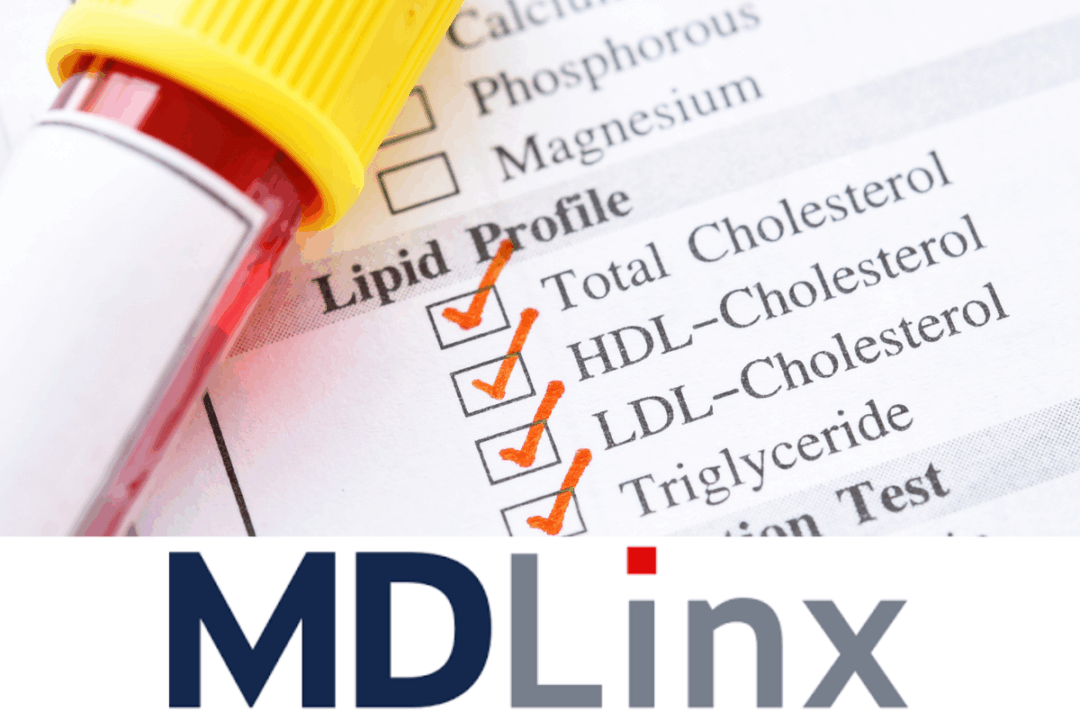
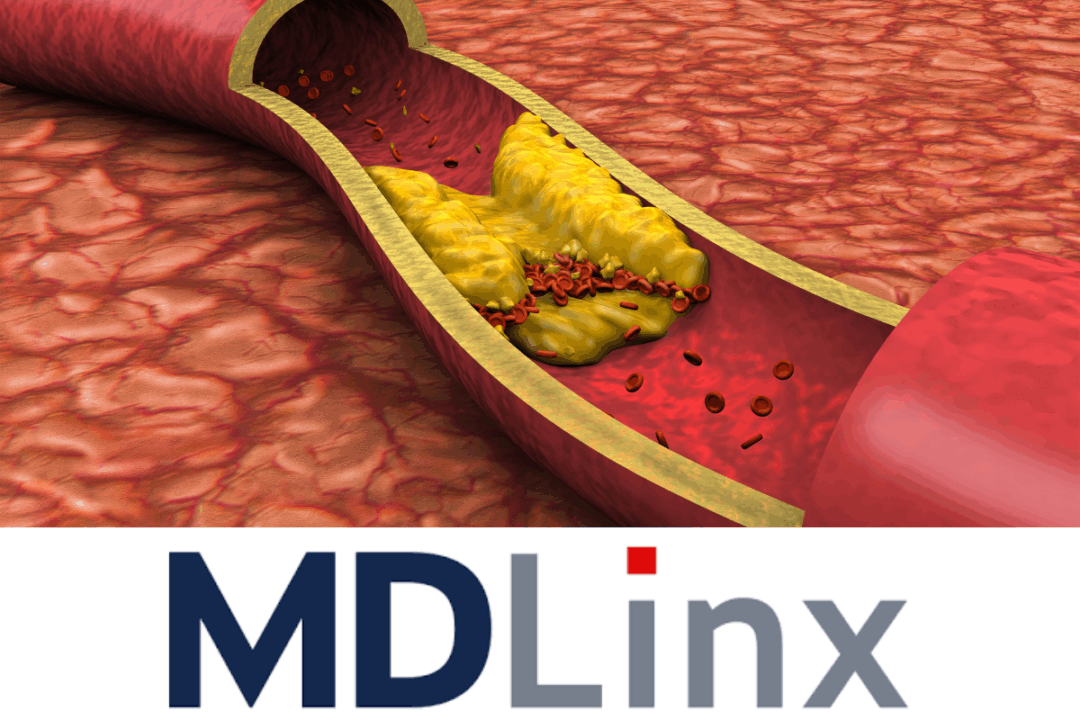
Managing extremely high LDL-C levels linked to genetic dyslipidemias often requires more than lifestyle changes alone. These inherited lipid disorders, such as familial hypercholesterolemia, can lead to dangerously elevated LDL cholesterol from a young age, significantly increasing the risk of premature atherosclerotic cardiovascular disease. Because standard diet and exercise interventions are often not enough, treatment […]
Monitoring key heart health numbers such as blood pressure, LDL cholesterol, resting heart rate, blood sugar, and waist circumference can provide early insight into cardiovascular risk and help guide prevention strategies. These markers are often tracked through routine medical visits and wearable devices, giving patients and providers a clearer picture of long-term heart health. According […]
Cardiologists emphasize that protecting heart health doesn’t require extreme changes. Rather, it comes down to consistent, everyday habits that support circulation, metabolism, and long-term cardiovascular function. Key recommendations include increasing plant-based foods, reducing sedentary behavior, prioritizing sleep and stress management, and avoiding smoking and excess sugar. According to Dr. Randy Gould, a cardiologist with Manhattan […]
Eating salmon may support heart health by helping lower blood pressure thanks to its rich content of omega-3 fatty acids, which can reduce inflammation and improve blood vessel function. Cardiologists note that incorporating fatty fish like salmon into a balanced diet may contribute to better overall cardiovascular outcomes when paired with other heart-healthy habits such […]
Cheese can be part of a balanced diet, but its impact on blood pressure depends on type, portion size, and overall dietary pattern. Some cheeses are high in sodium and saturated fat, which may contribute to increased blood pressure when consumed frequently, while others, especially lower-sodium or fermented varieties, can be included in moderation within […]
Certain supplement combinations can significantly increase bleeding risk in people taking blood thinners, making careful management essential for cardiovascular safety. Cardiologists caution that even commonly used vitamins, herbal products, and over-the-counter supplements may interact with anticoagulant medications and alter how effectively they work. According to Dr. Randy Gould, a cardiologist with Manhattan Cardiology, “Patients on […]
Cholesterol medications are a key part of lowering LDL (“bad” cholesterol) and reducing the risk of heart attack and stroke, but the “safest” option depends on a person’s overall health, medical history, and how they tolerate treatment. Statins remain the most commonly prescribed first-line therapy and are widely considered both effective and generally safe, though […]
Regular exercise is one of the most important habits for long-term heart health, yet cardiologists say many people stop too soon—often before seeing its full benefits for blood pressure, cholesterol, weight management, and overall cardiovascular risk reduction. Experts emphasize that consistency matters more than intensity, and even simple, moderate movement can meaningfully protect heart health […]