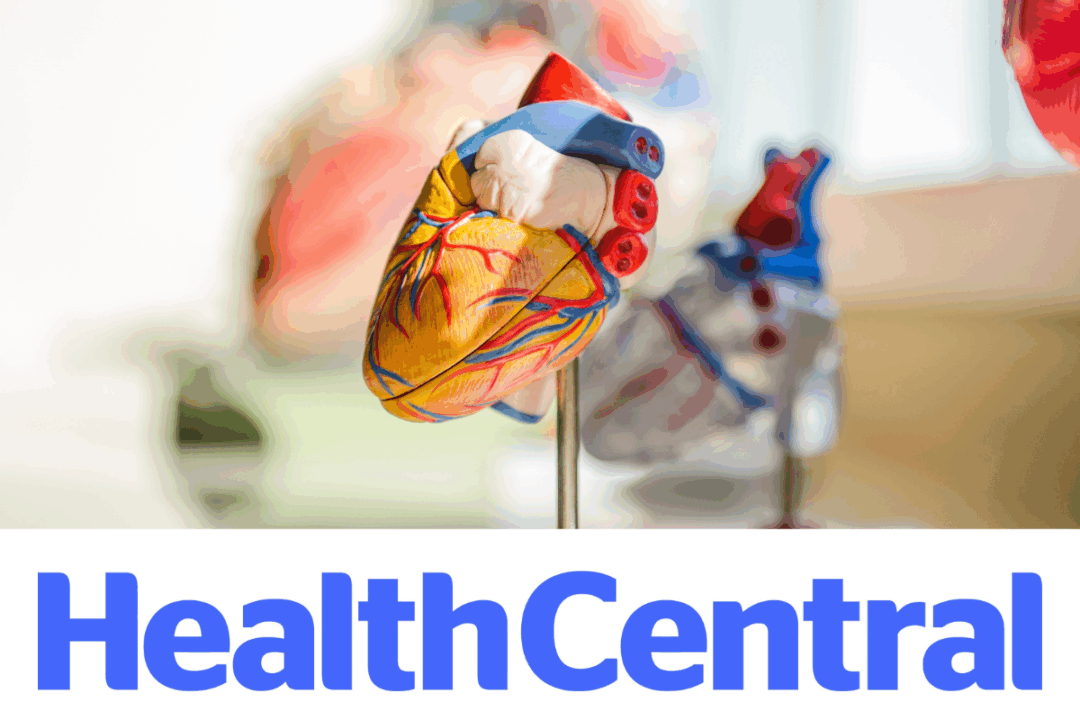
Cardiologists emphasize that protecting heart health doesn’t require extreme changes. Rather, it comes down to consistent, everyday habits that support circulation, metabolism, and long-term cardiovascular function. Key recommendations include increasing plant-based foods, reducing sedentary behavior, prioritizing sleep and stress management, and avoiding smoking and excess sugar. According to Dr. Randy Gould, a cardiologist with Manhattan […]
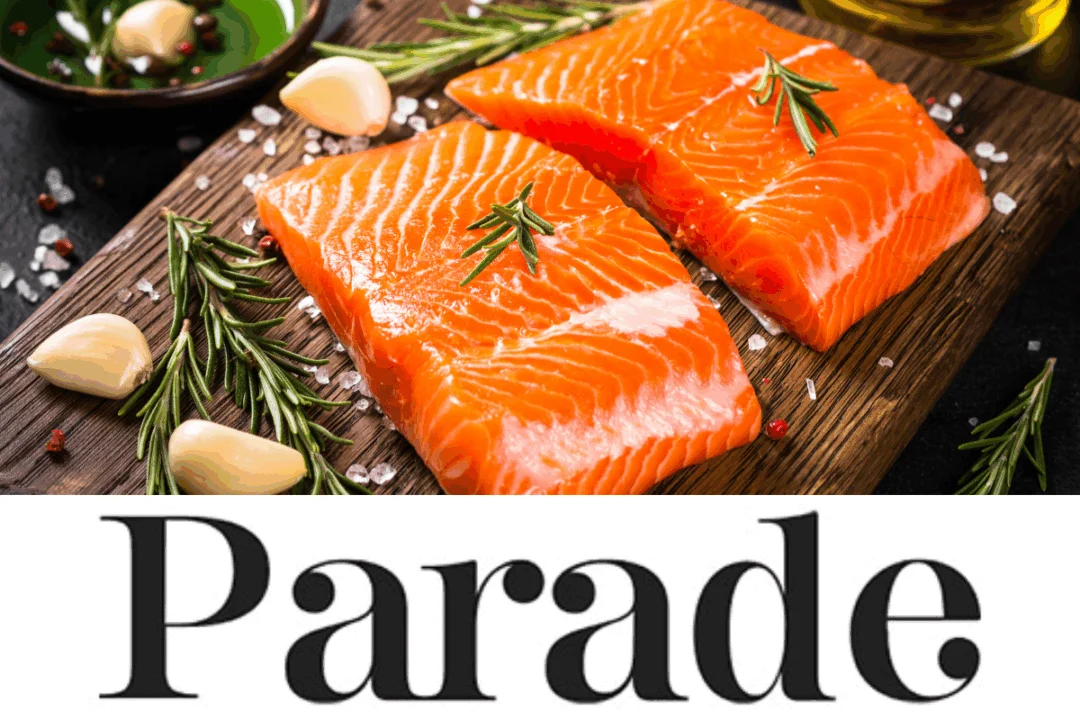
Eating salmon may support heart health by helping lower blood pressure thanks to its rich content of omega-3 fatty acids, which can reduce inflammation and improve blood vessel function. Cardiologists note that incorporating fatty fish like salmon into a balanced diet may contribute to better overall cardiovascular outcomes when paired with other heart-healthy habits such […]
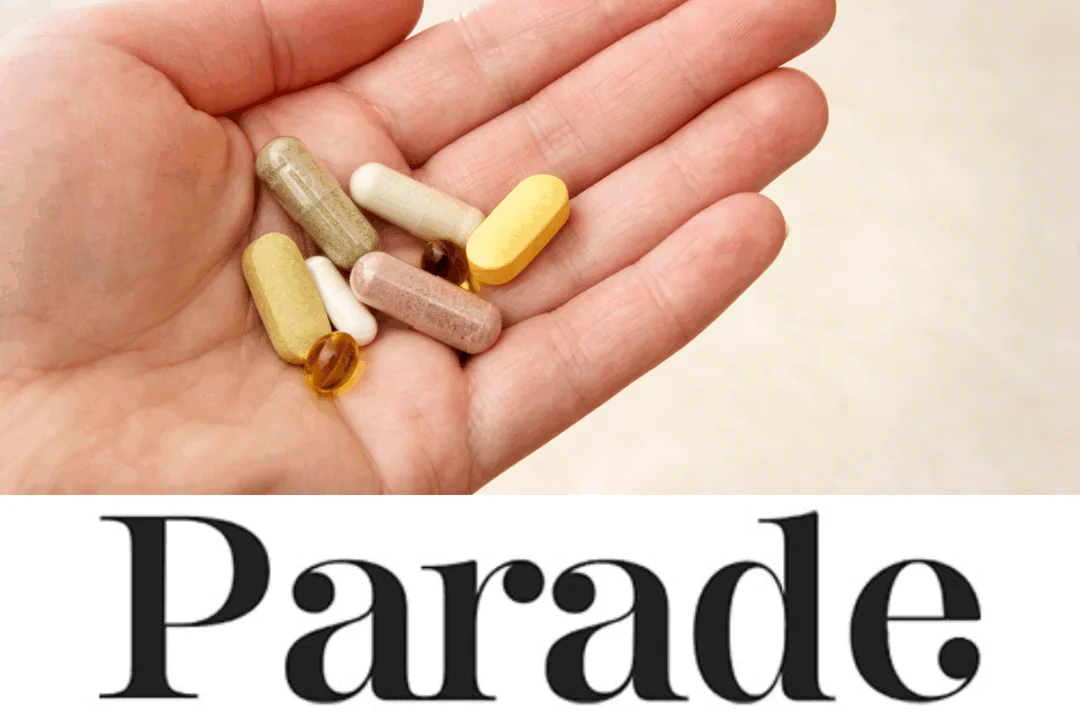
Certain supplement combinations can significantly increase bleeding risk in people taking blood thinners, making careful management essential for cardiovascular safety. Cardiologists caution that even commonly used vitamins, herbal products, and over-the-counter supplements may interact with anticoagulant medications and alter how effectively they work. According to Dr. Randy Gould, a cardiologist with Manhattan Cardiology, “Patients on […]
Cheese can be part of a balanced diet, but its impact on blood pressure depends on type, portion size, and overall dietary pattern. Some cheeses are high in sodium and saturated fat, which may contribute to increased blood pressure when consumed frequently, while others, especially lower-sodium or fermented varieties, can be included in moderation within […]
Cholesterol medications are a key part of lowering LDL (“bad” cholesterol) and reducing the risk of heart attack and stroke, but the “safest” option depends on a person’s overall health, medical history, and how they tolerate treatment. Statins remain the most commonly prescribed first-line therapy and are widely considered both effective and generally safe, though […]
Regular exercise is one of the most important habits for long-term heart health, yet cardiologists say many people stop too soon—often before seeing its full benefits for blood pressure, cholesterol, weight management, and overall cardiovascular risk reduction. Experts emphasize that consistency matters more than intensity, and even simple, moderate movement can meaningfully protect heart health […]
Bile acid sequestrants are a type of cholesterol-lowering medication that work in the digestive tract to reduce LDL (“bad”) cholesterol, but they can also bind to other drugs and nutrients, potentially affecting how well they are absorbed. Because of this, timing and medication spacing are important considerations when taking them alongside other prescriptions or supplements. […]
Your heartbeat can offer important clues about how hard your heart is working and overall cardiovascular health, with resting heart rate serving as one of the simplest indicators to monitor. While a normal range is typically 60–100 beats per minute, cardiologists note that both unusually high or low readings—and changes from your personal baseline—may signal […]
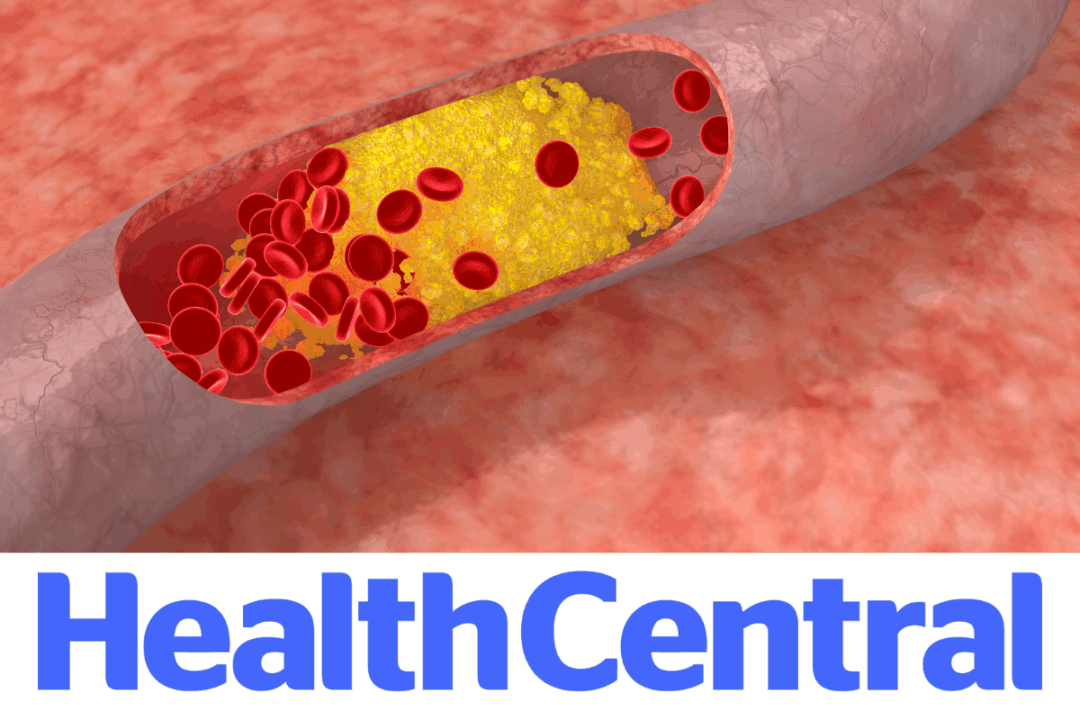
High LDL cholesterol contributes to plaque buildup in the arteries over time, a process known as atherosclerosis, which can gradually restrict blood flow and increase the risk of serious cardiovascular events like heart attack, stroke, and peripheral artery disease. Because this process develops silently over many years, understanding how LDL affects the arteries is key […]
Anatomy of the heart explains how its chambers, valves, blood vessels, and electrical system work together to circulate blood and sustain life. When any of these components are disrupted, it can lead to serious conditions such as heart disease, arrhythmias, and heart failure. Understanding how each part functions helps clarify how cardiovascular disease develops and […]